The contractor who built this so you wouldn't have to figure it out alone.
25 years in construction. Licensed in two states. Has been through Tennessee's licensing process himself. Now helping others avoid the headaches.

A Tennessee story, with a long detour.
Kelly was born in Tennessee and moved away. Then he moved back. The path between those two facts is the reason this consultancy exists.
His family relocated to Tennessee when he was three. He grew up here, learned construction here, and like a lot of people who grew up in this part of the country, eventually felt the pull of bigger opportunities elsewhere. In 2016, he and his family moved to the Pacific Northwest, where Kelly spent eight or nine years working on residential, commercial, and industrial projects.
About six months ago, he came back to Tennessee. The reasons were mostly personal. His wife Kendra wanted to be closer to the writing and music scene she'd always been drawn to, and Kelly says it was simply God that sent them home. He never planned to move back to the humidity. But here they are.
Built by 25 years in the trades.
Kelly's father got him started early, doing whatever needed doing around the house and for neighbors. Window installation. Cutting trees. Building fences. Pouring concrete. There wasn't a specialty so much as a habit of figuring out how to build whatever was in front of him.
That habit turned into a career. For the last six years, he's run his own construction business, the most recent stretch as half of a general contracting partnership in Utah with his brother in law. They did residential builds, commercial projects, and industrial work across the region. When the partnership ran its course, they parted ways amicably, and Kelly headed to Sandpoint in northern Idaho to pick up his own general contractor license.
Idaho's process was straightforward. He passed the exams, did the paperwork, and went to work building and renovating in north Idaho until the move back to Tennessee.
Then he started the Tennessee licensing process. And that's where everything changed.
The work behind the credentials.
A few moments from 25 years of construction. Residential, commercial, industrial, and everything in between.


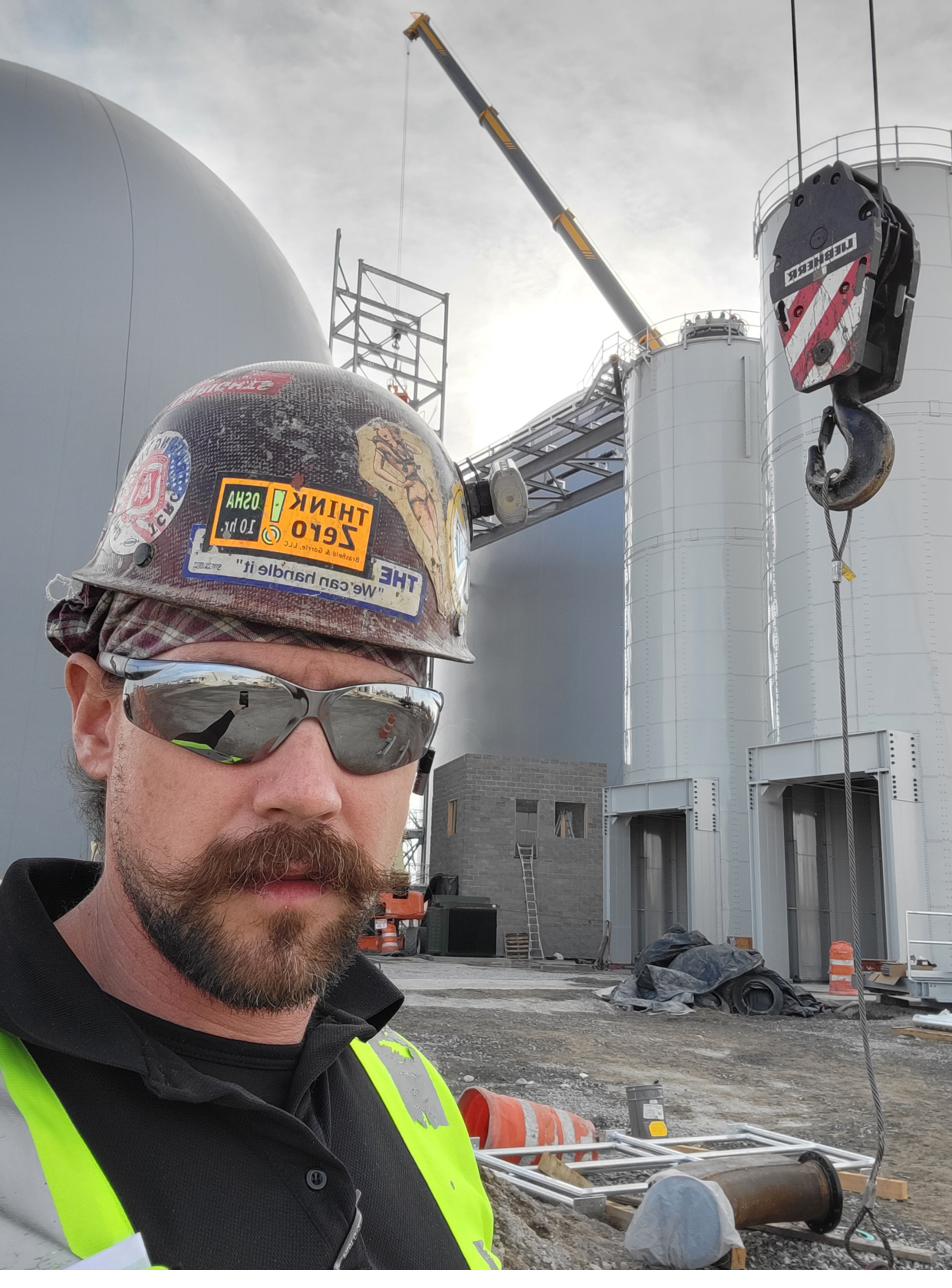
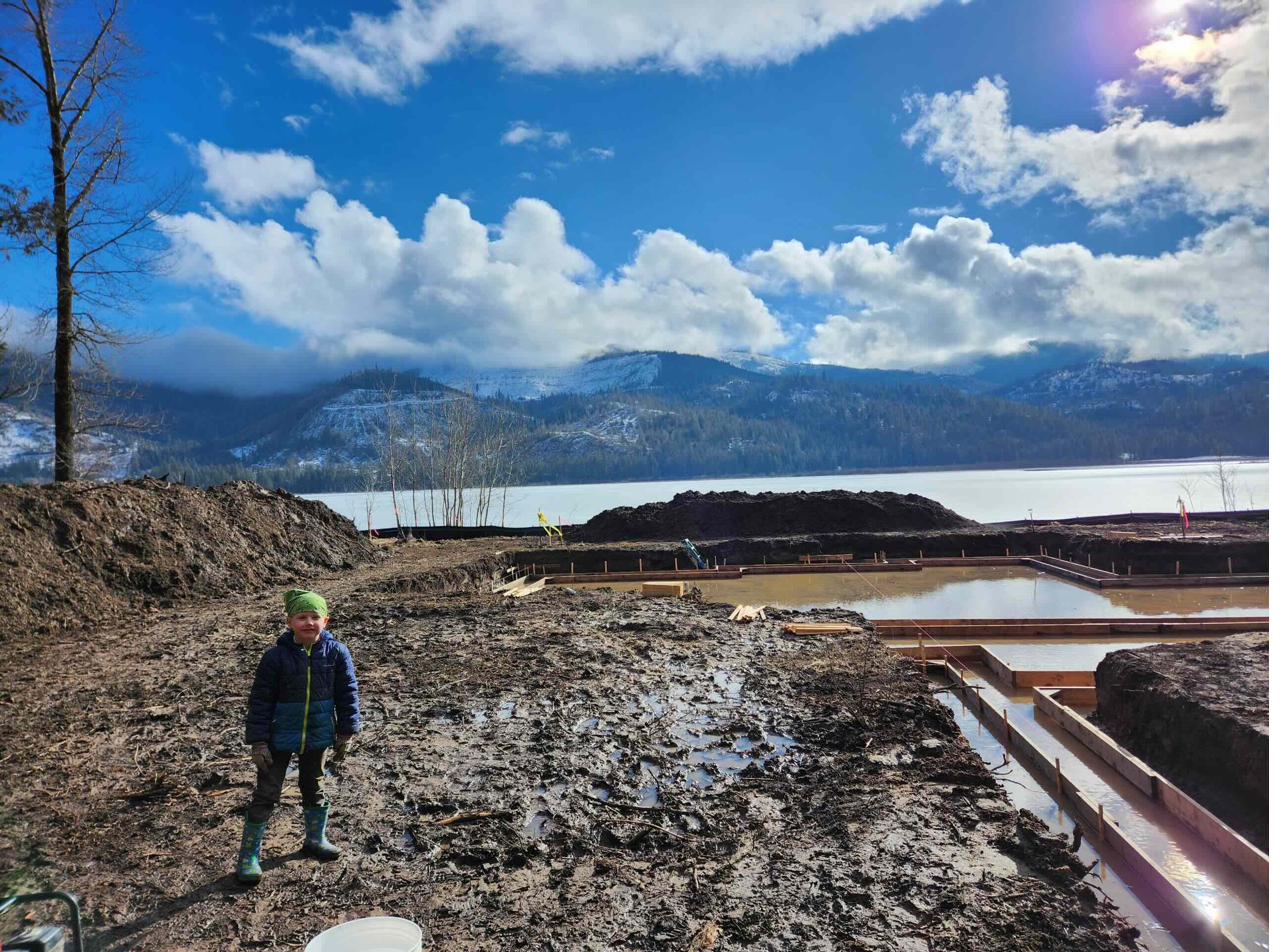
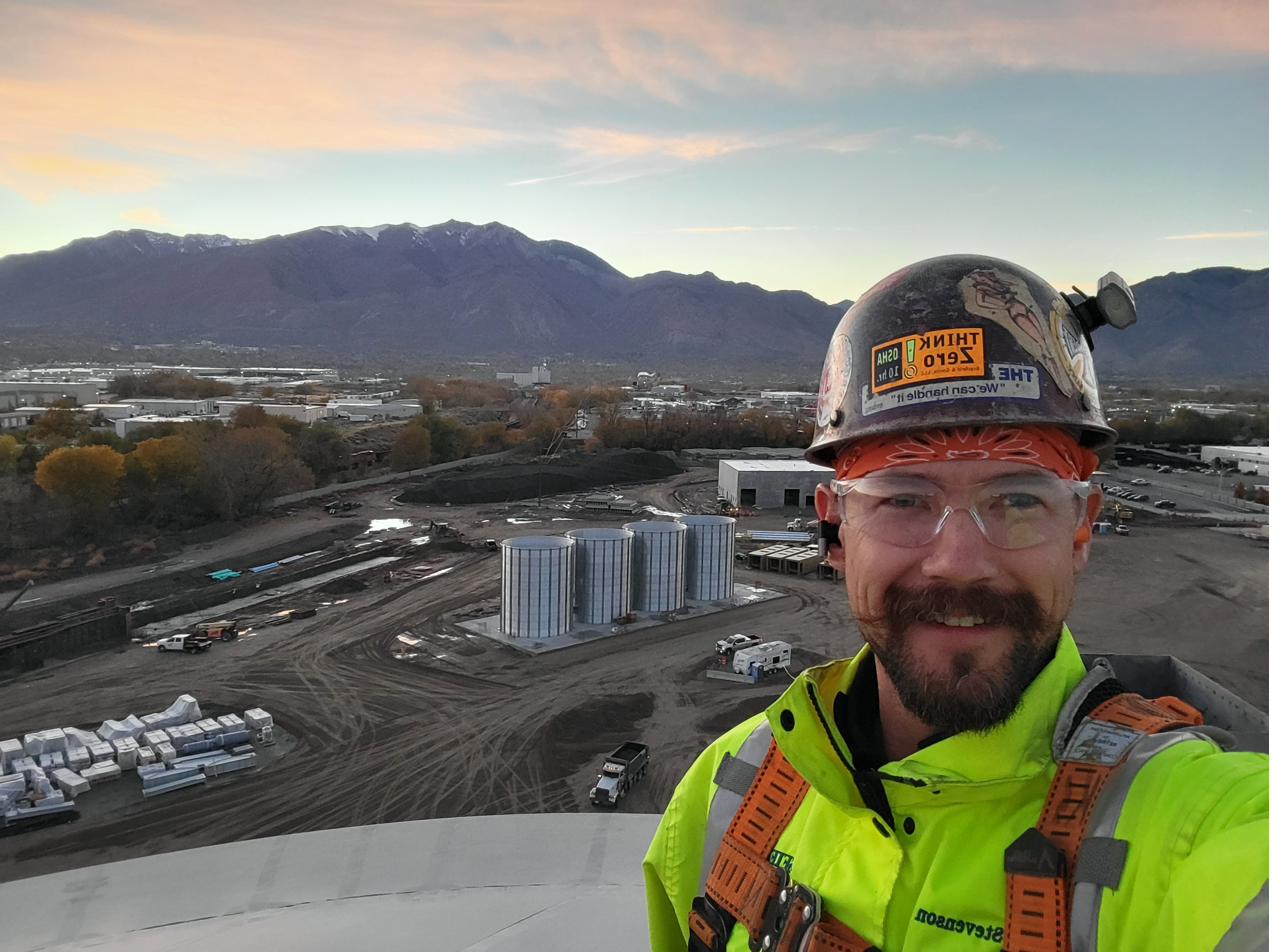
Family business, in every sense.
The Tennessee process was a different animal.
Kelly had been doing this work for decades. He'd held a license in another state. He had references, real project experience, working capital, insurance. None of that mattered to the Tennessee Board for Licensing Contractors. The process required him to start almost from scratch with paperwork that had nothing to do with whether he could actually build things.
Two exams. The business and law exam runs two hours. The trades exam runs four. Both are open book, which sounds easy until you realize you're hauling ten reference books per session, each costing a couple hundred dollars. He sat for them twice before passing.
A CPA prepared financial statement. He had to hire an accountant, go through multiple drafts, and then go back and forth with the state board over whether his monetary limit was set correctly.
Fifteen separate documents to submit. Letters of recommendation from previous clients. Proof of experience. Insurance certificates. Articles of organization. Business registration.
And the scams. Letters that looked official, dressed up to mimic state correspondence, charging him 50 to 100 percent more for the same filings he could do directly through the state website. Some of them got his money before he caught on. By the time he was done, he'd spent between two and three thousand dollars on the application alone, not counting the time.
He finished the process and got the license. But the feeling that stuck with him wasn't pride. It was frustration. This didn't need to be this hard.
Why this consultancy exists.
The licensing process serves a purpose. It weeds out people who shouldn't be running construction projects. Kelly is the first to acknowledge that there are bad contractors out there, and clients deserve some protection against being scammed by someone who doesn't know what he's doing. The license isn't pointless.
But there's a difference between a system that protects the public and a system that exhausts qualified applicants before they ever get to work. Tennessee's process leans hard toward the second one. Most of the friction Kelly hit had nothing to do with whether he could build a house. It had to do with paperwork, fees, scams, and a process that assumes you'll figure it out on your own.
That's the gap this business fills. Not exam prep (there are companies that do that better than anyone). Not loan brokerage or insurance sales. Just one experienced contractor walking alongside another, sharing what he learned recently enough that the memory is still fresh.
The classification choice. The financial statement strategy. The order to submit documents in. Which sections of the business and law exam to focus on. How to spot a scam letter before you send money. The kinds of things nobody told Kelly, that he had to figure out the hard way, that he can now save someone else from learning the same way.
Verifiable credentials
Anyone can claim to be a contractor on the internet. Kelly's license is public record, and you should verify it.
- Tennessee Licensed General Contractor
- License BC-A #85428
- Issued March 31, 2026
- Valid through March 31, 2028
- Previously licensed in Idaho
Verify with the Tennessee Board for Licensing Contractors.
Ready to talk about your path?
Book a strategy session and Kelly will walk through your specific situation with you. 60 minutes, $127.
Book Your Strategy Session